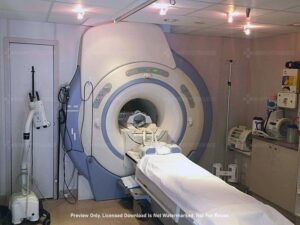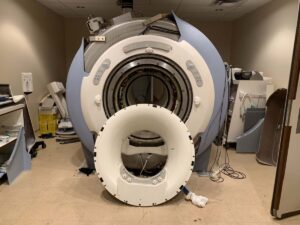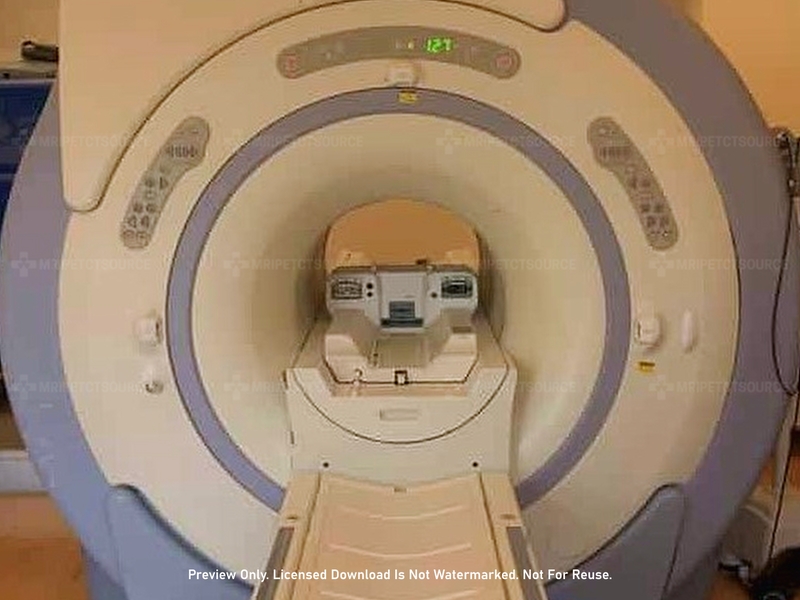
We are here to answer the age old question, why is an MRI scan so expensive? The simple answer is there are many associated costs to installing, maintaining, and scanning with an MRI. Lets explore some of the cost factors.
Here’s why MRI scans cost so much and what you can do to reduce your bill.
Why is an MRI Scan So Expensive?
Factors That Determine MRI Scan Prices.
MRI Machine Cost and Maintenance
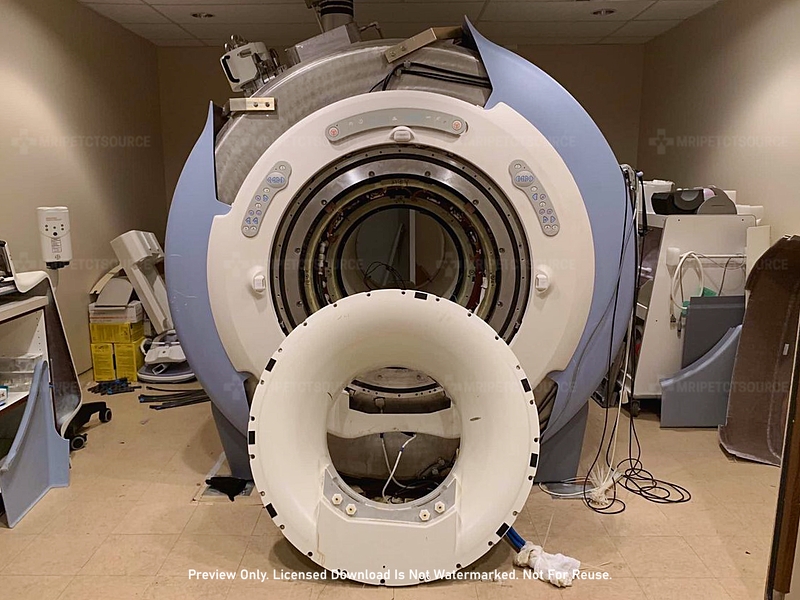
One of the largest costs associated with Magnetic Resonance Imaging is the initial cost to purchase and install an MRI scanner. A new MRI scanner with high definition MRI coils, software imaging options and installation can run into the millions of dollars to install and calibrate. A good rule of thumb for estimating cost of a new MRI scanner is multiply the magnet tesla by one million. Example: 1.5T= $1.5 million, 3T= $3 million.
Related: MRI Machine Cost Guide – See how much an MRI system actually costs.

Fluctuating Liquid Helium costs
An MRI scan utilizes superconductive coils which are submerged in thousands of liters of liquid helium. The transfer of liquid helium into the MRI also requires contracting a highly specialized cryogen technician to perform service. The price of liquid helium is based on industry demand. The current cost of liquid helium can range from $18/liter to $25/liter.
Related: MRI Liquid Helium Wiki
Overhead and Administration Costs
Accredited hospitals and imaging centers require a full range of staff, medical equipment, medical facilities and Radiologists to read the images. Additionally, MRI scanners require routine calibration, maintenance, and repair by specially-trained service engineers in order to produce the most accurate and detailed images possible.
Cost of Replacement Parts in the Biomedical Industry
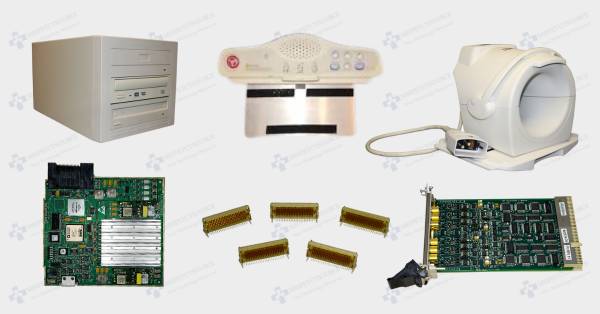
The cost of parts to repair an MRI system when a system is unable to scan can be very expensive. Many hospitals and imaging centers opt to sign service contracts with either the manufacturer or a third-party service provider. An MRI service contract can help to reduce the cost to perform and MRI scan. A service contract covers any costs associated with a down scanner. Contract provisions also include resources for liquid helium refills, coil replacement, and parts coverage. Service contracts can range from $5k/month to $25k/month depending on coverage.
10+ Proactive Steps to Reduce Out-of-Pocket Cost of MRI Scans
Patients can take several proactive steps to help reduce out-of-pocket costs for an MRI scan. Keep in mind that healthcare systems and insurance policies can vary widely, so you should check with your specific provider and plan for the most accurate information. Here are some important steps to consider:
1. Ask about cash price for an MRI scan
Radiology centers offer imaging services at a much lower cost if you are willing to pay at the time of service. Asking for a cash price for your MRI scan will often lead to the most savings. I have personally seen as much as a 66% discount on quoted MRI prices when asking about cash price at time of service. Consult with your health insurance provider to compare out-of-pocket costs.
2. Check your insurance coverage
Review your insurance policy to understand what MRI expenses it covers and what your deductible, copay, and coinsurance responsibilities are.
3. Choose in-network providers.
Select an in-network healthcare facility and radiologist to ensure that your insurance plan provides maximum coverage.
4. Obtain prior authorization.
Contact your insurance provider and obtain prior authorization for the MRI if your plan requires it. Failure to do so could result in reduced coverage or claim denial.
5. Compare costs at different facilities.
Compare costs at various healthcare facilities or imaging centers. Prices can vary significantly, so explore your options.
6. Negotiate the cost of MRI scan.
Contact the healthcare facility and negotiate for cash discounts or payment plans. You might be able to secure a lower price, especially if you’re paying out of pocket.
7. Request itemized bills.
Request an itemized bill that breaks down the costs. This can help you identify any errors or overcharges.
8. Inquire about financial assistance programs.
Inquire about financial assistance programs or charity care options if you’re facing financial hardship. Some facilities offer reduced rates or free services based on income.
9. Utilize Flexible Spending Account (FSA) or Health Savings Account (HSA).
If you have an FSA or HSA, use these accounts to pay for your MRI scan with pre-tax dollars, reducing your overall cost.
10. Consider medical tourism.
Consider traveling to areas or countries where healthcare costs are lower if it’s a viable option for you.
Worth a Read: “Free Cancer Patient Care Package, Gifts, and More!” (Article)
11. Explore clinical trials and research studies.
Look into clinical trials or research studies that may provide free or low-cost MRI scans, especially if you meet the study criteria.
12. Ensure you have a prescription for the MRI.
Ensure that your healthcare provider has issued a valid medical reason for the MRI to improve the chances of insurance coverage.
13. Review bills carefully.
After the procedure, carefully review all bills and insurance statements to ensure accuracy and that you’re not being overcharged.
14. File appeals for denied claims.
If your insurance company denies coverage, don’t hesitate to file an appeal. Sometimes, claims are denied initially but approved upon review.
15. Arrange payment plans.
If you cannot pay the full amount upfront, inquire about setting up a payment plan with the healthcare provider.
16. Consider healthcare advocacy services.
Consider using healthcare advocacy services or patient advocates who can help you navigate the healthcare system and negotiate bills on your behalf.
17. Maintain all documentation.
Keep records of all communication with healthcare providers, insurance companies, and any paperwork related to your MRI, including receipts and bills.

FAQ Section
In the United States, prices typically range from $400 to $3,500. Outpatient imaging centers often charge less than hospitals because of lower facility fees. MRI scan costs vary widely depending on location, anatomical region of interest, and whether MRI contrast is used. Insurance coverage and negotiated rates can also significantly affect what you pay out of pocket.
First, MRI machines are significantly more complex and costly to operate. They use strong magnetic fields and radiofrequency coils instead of radiation, which requires expensive MRI-safe equipment, specialized shielding around the MRI room, and routine maintenance. In addition, MRI exams usually take longer to perform and require trained MRI technologists and radiologists to interpret the results. This adds to the cost of an MRI scan.
Most insurance plans do cover MRI scans when they are medically necessary and ordered by a physician. However, patients may still be responsible for copays, deductibles, or coinsurance. It is best to always confirm coverage and potential out-of-pocket costs with your insurance provider before scheduling an exam.
The best way to lower your MRI cost is by shopping around. Prices can vary substantially between hospitals and independent imaging centers. Ask for a cash-pay or self-pay discount, which can be 30% to 60% lower than the billed rates. Additionally, confirm your insurance network includes the imaging center.
Some facilities may bill separately for radiologist interpretation, contrast materials, or follow-up reports. This is why it’s important to request an itemized estimate before your appointment.
Conclusion
Proactive planning and communication with your healthcare providers and insurance company are essential to minimizing your financial burden when it comes to reducing out-of-pocket costs for an MRI scan. Understanding your policy and exploring all available options is crucial.
Your MRI scan does not have to be a costly diagnostic experience. It is always recommended to call multiple imaging centers in the local area. Patients must be diligent in their research to find an imaging center that meets their financial and medical needs. Inquire about availability and it is important to ask about the cash price. Most importantly, schedule an appointment with the imaging center that truly cares about their patients.
Related Resources
Quick Navigation Links


For more information, make sure to visit our Resource Library and Patient Resources Page for the latest content. They are filled with helpful resources to answer all of your imaging questions.
Additional MRI scan resources available on our YouTube channel at https://www.youtube.com/c/MRIPETCTSupportEngineer
Helpful Resources
© 2024 MRIPETCTSOURCE All rights reserved.




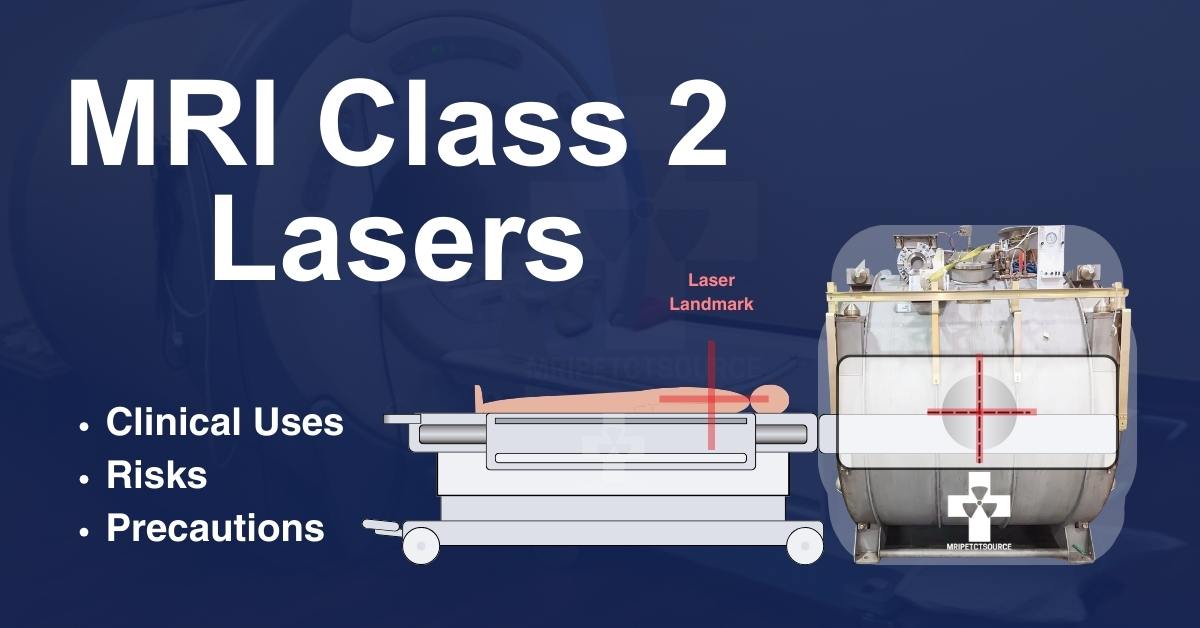
MRI laser alignment landmark assembly with class 2 laser
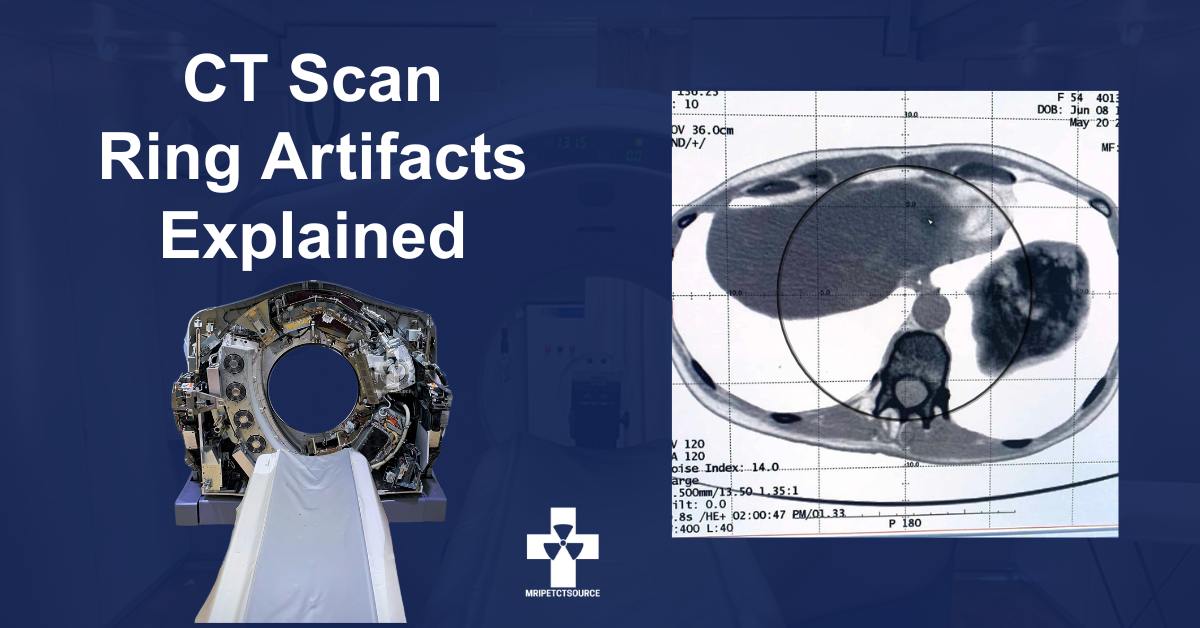
CT scan ring artifact explained. CT scan machine pictured left, CT ring artifact example pictured right.
The information provided by MRIPETCTSOURCE (“we,” “us,” or “our”) on https://www.medicalimagingsource.com (the “Site”) is for general informational purposes only. All information on the Site is provided in good faith, however we make no representation or warranty of any kind, express or implied, regarding the accuracy, adequacy, validity, reliability, availability, or completeness of any information on the Site. UNDER NO CIRCUMSTANCE SHALL WE HAVE ANY LIABILITY TO YOU FOR ANY LOSS OR DAMAGE OF ANY KIND INCURRED AS A RESULT OF THE USE OF THE SITE OR RELIANCE ON ANY INFORMATION PROVIDED ON THE SITE. YOUR USE OF THE SITE AND YOUR RELIANCE ON ANY INFORMATION ON THE SITE IS SOLELY AT YOUR OWN RISK.