
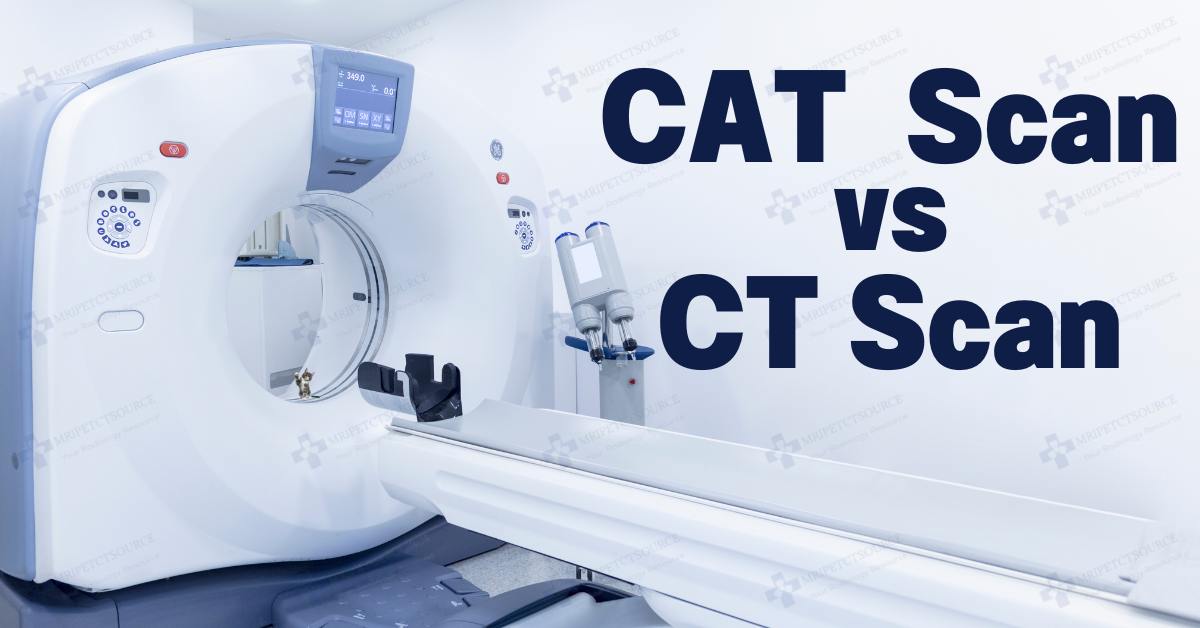
Computed Tomography (CT), often referred to simply as a CT scan, is one of the most important diagnostic imaging tools in modern medicine. CT technology provides fast, high-resolution images that allow radiologists to assess bones, organs, blood vessels, and soft tissue with exceptional clarity.
This page serves as your central hub for all CT-related educational content. Whether you’re a patient, technologist, or healthcare professional, this guide covers the fundamentals of CT imaging and links to deeper articles on specific CT topics.
What Is a CT Scan?
Source: “Demystifying CT Scan: How it Works in Simple Terms” by MRIPETCTSOURCE YouTube Channel.
A CT scan is a fast, non-invasive imaging procedure that uses a rotating X-ray beam and advanced computer processing to create detailed cross-sectional images of the body. Most CT exams are finished in five minutes or less, making CT invaluable in emergency and trauma settings.
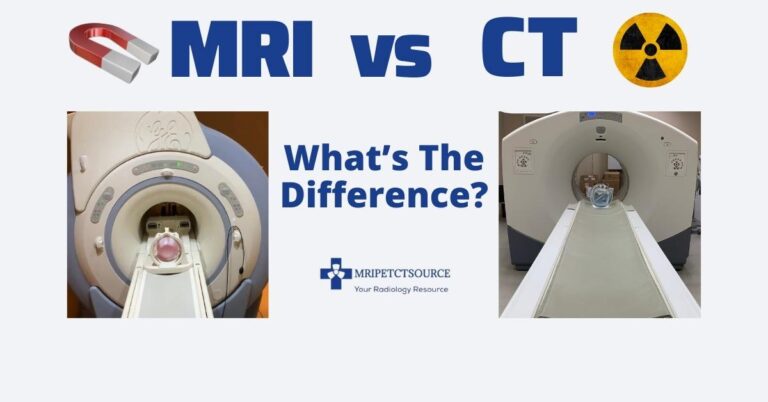
Recommended read: MRI vs CT Scan: Key Differences
How CT Scanning Works
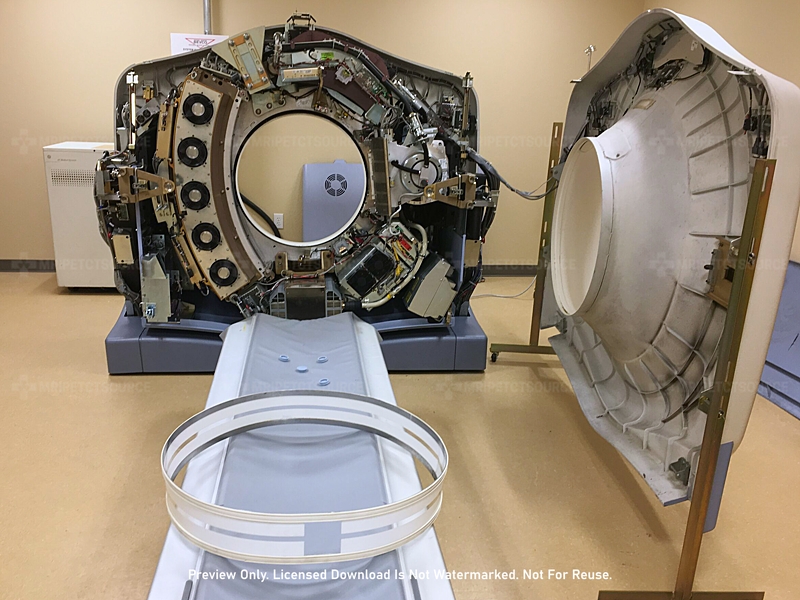
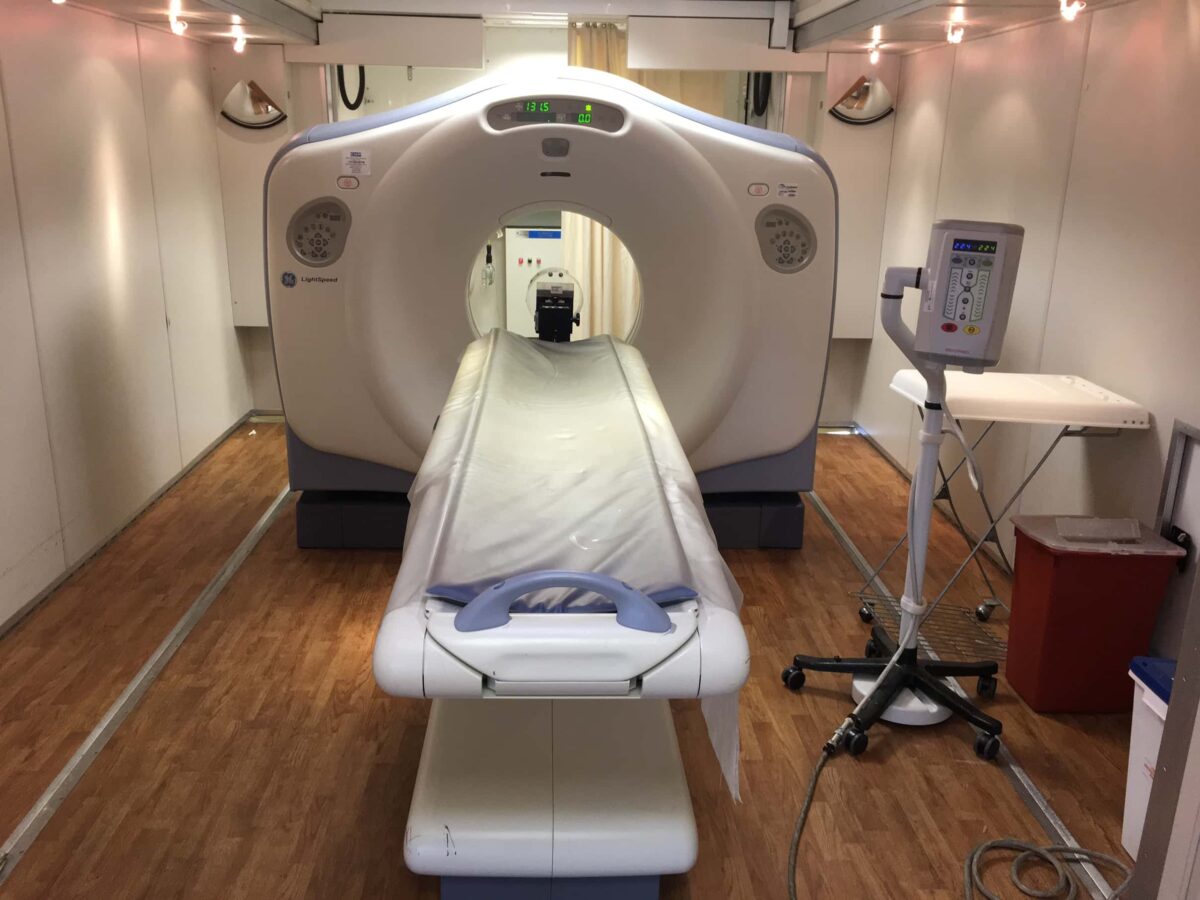
- X-ray Beam Rotation: Inside the CT gantry, a thin X-ray beam rotates 360° around the patient. This allows the scanner to acquire image data from all angles.
- Patient Table Movement: The patient lies on a motorized table that moves in and out of the scanner during imaging.
- X-ray Absorption: Different tissues absorb X-rays at different rates. Bone appears bright white, soft tissue appears gray, and air/fluids appear dark.
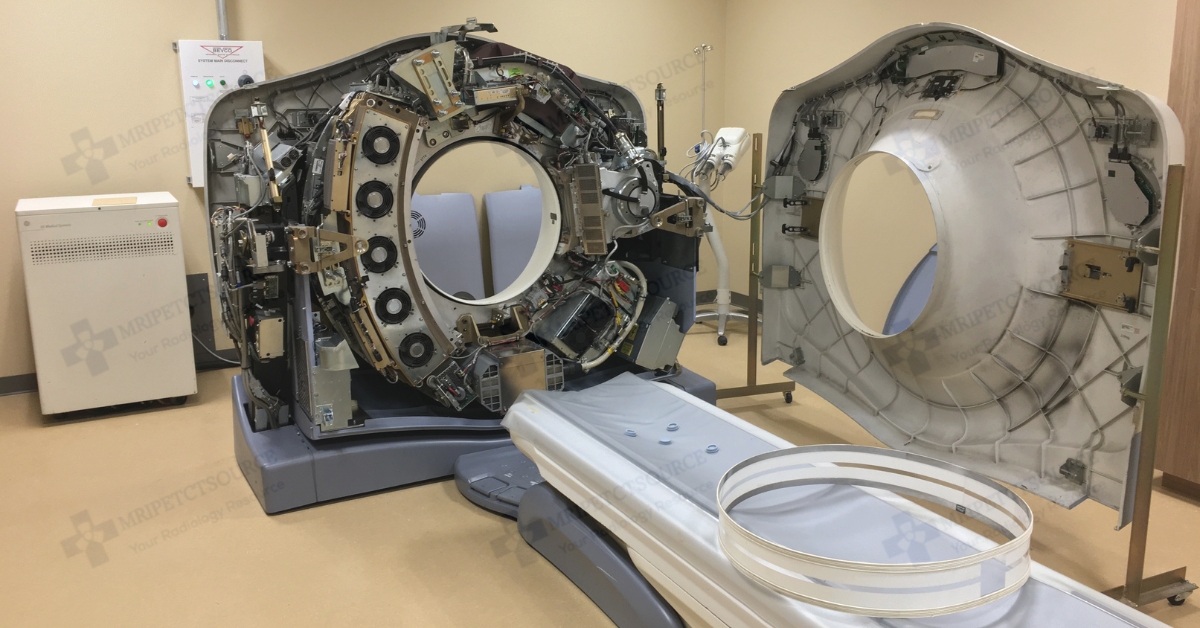
- Detector Array: Opposite the X-ray tube is a detector system that captures the attenuated X-ray signal. (Recommended read: CT Scanner Components Explained).
- Image Reconstruction: Data is transmitted via high-speed fiber optics to the CT computer, which reconstructs 2D axial slices and 3D volume renderings. These images reveal anatomy in incredible detail, allowing accurate diagnosis by a radiologist.
Advantages of CT Imaging
Computed Tomography (CT) is an imaging modality that utilizes X-ray revolving around a center axis to detect and map location of particles as they pass through the anatomy and enter detector modules. Some of the key advantages to computed tomography are:
- Extremely fast acquisition
- High-resolution anatomical detail
- Excellent for evaluating trauma, cancer, vascular disease, and abdominal pathology
- Produces 3D reconstructions for surgical planning
- Widely available and highly accurate
During the CT scan, a computer reconstructs a digital rendition showing water, bone, and different densities in the anatomy that can be read by a radiologist to diagnose medical conditions within minutes.
Quick Navigation


Don’t forget to check out our YouTube channel for the most accurate and up to date information about medical imaging. See hundreds of educational videos sorted by topic for easy viewing!

Recommended Videos:
- How CT Works: In Simple Terms
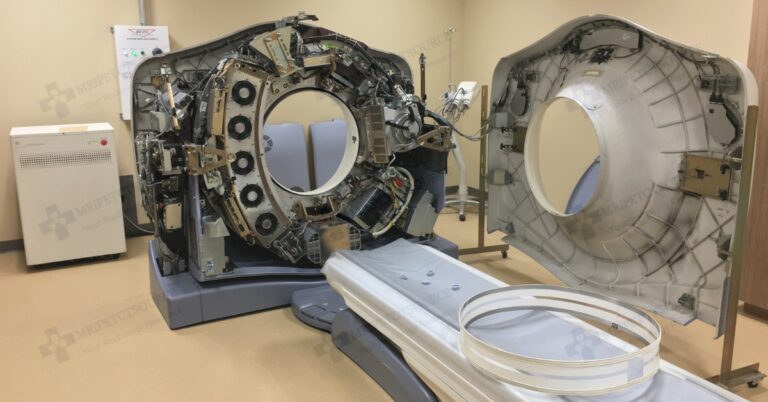
- World’s Fasted CT Scan Machine In Action (with covers removed)
- MRI vs CT Scan: What’s the difference?
Computed Tomography Featured Articles
-
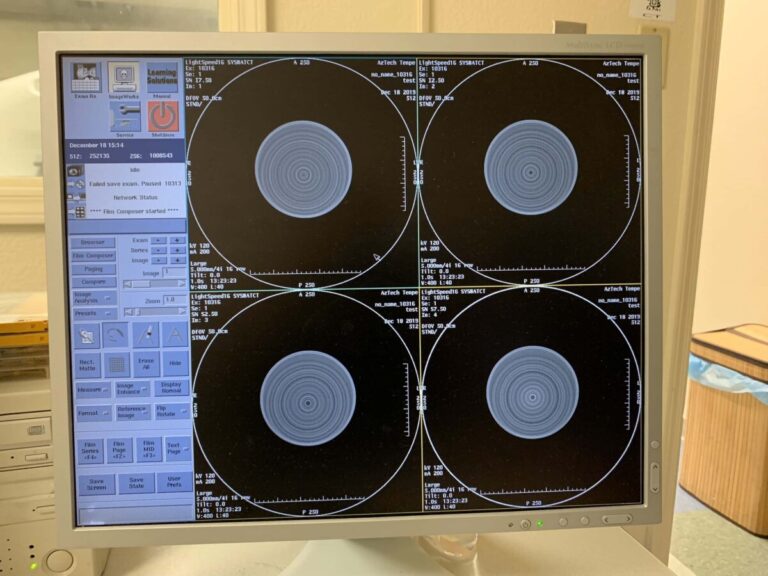
Cause of CT Image Artifacts
Home Learning Hub CT CT Tech Resources Cause of CT Image Artifacts Examining the cause of CT artifacts, isolating ring […]
-
MRI vs CT Scan: Differences, Uses & Safety Compared
Home Learning Hub MRI MRI Patient Resources MRI vs CT Scan: Differences, Uses & Safety Compared In this article, we […]
-
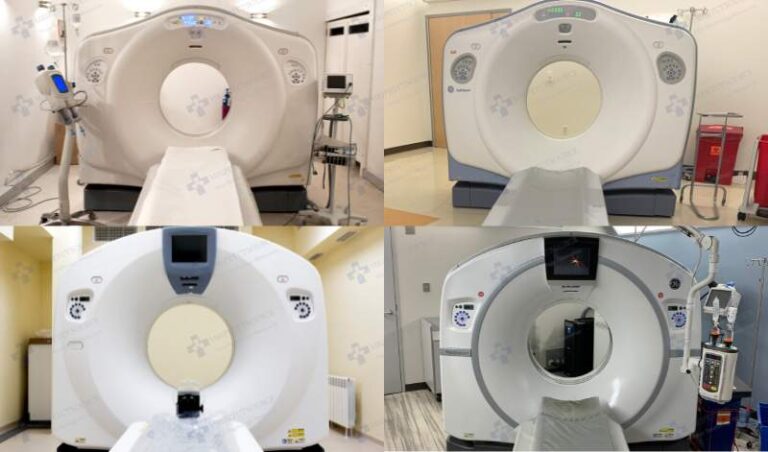
GE CT Scanner Models: Complete Guide & Comparison
Home Learning Hub Imaging Center Medical Imaging GE CT Scanner Models: Complete Guide & Comparison In this article, we provide […]
-
Inside a CT Scanner: Parts & How They Work
Home Learning Hub CT CT Tech Resources Inside a CT Scanner: Parts & How They Work In this section, we […]
-
Top Mobile CT Services
Home Learning Hub Imaging Center Medical Imaging Top Mobile CT Services Finding trusted and reliable mobile CT services has never […]
-
Healthcare Cyber Attack Survival Guide
Change Healthcare 2024 data breach affected over 100 million people, as confirmed by the HHS in an October 2024 Cybersecurity Incident Update.

Key Takeaways
Find additional related resources below.
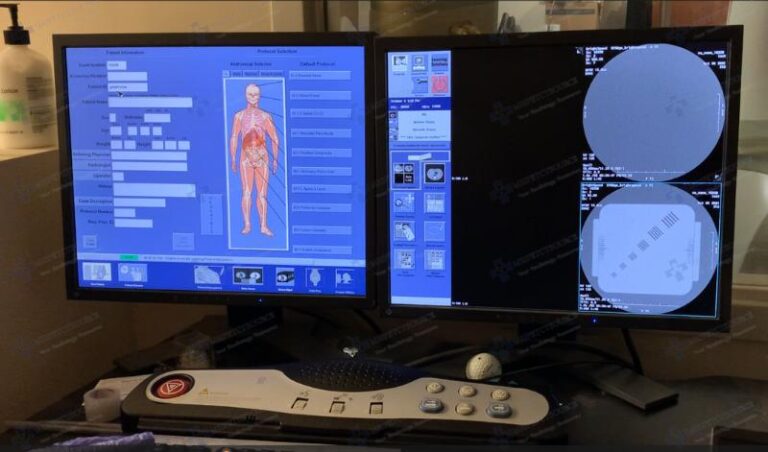
Computed Tomography imaging is at the forefront of technological innovation. Improving patient care and patient experience have been the main drivers for innovation in the field. New designs in detector modules allow for higher accuracy imaging with a lower dose and faster scan times. Improvements in the reconstruction computers and the algorithms that power them allow for faster reconstruction speeds and overall shorter CT exam times.
Related Resources
© 2024 MRIPETCTSOURCE All rights reserved.


Author:
Author Bio:
Read more on Larry’s author page.
The information provided by MRIPETCTSOURCE (“we,” “us,” or “our”) on https://www.medicalimagingsource.com (the “Site”) is for general informational purposes only. All information on the Site is provided in good faith, however we make no representation or warranty of any kind, express or implied, regarding the accuracy, adequacy, validity, reliability, availability, or completeness of any information on the Site. UNDER NO CIRCUMSTANCE SHALL WE HAVE ANY LIABILITY TO YOU FOR ANY LOSS OR DAMAGE OF ANY KIND INCURRED AS A RESULT OF THE USE OF THE SITE OR RELIANCE ON ANY INFORMATION PROVIDED ON THE SITE. YOUR USE OF THE SITE AND YOUR RELIANCE ON ANY INFORMATION ON THE SITE IS SOLELY AT YOUR OWN RISK.
Amazon and the Amazon logo are trademarks of Amazon.com, Inc. or its affiliates.